

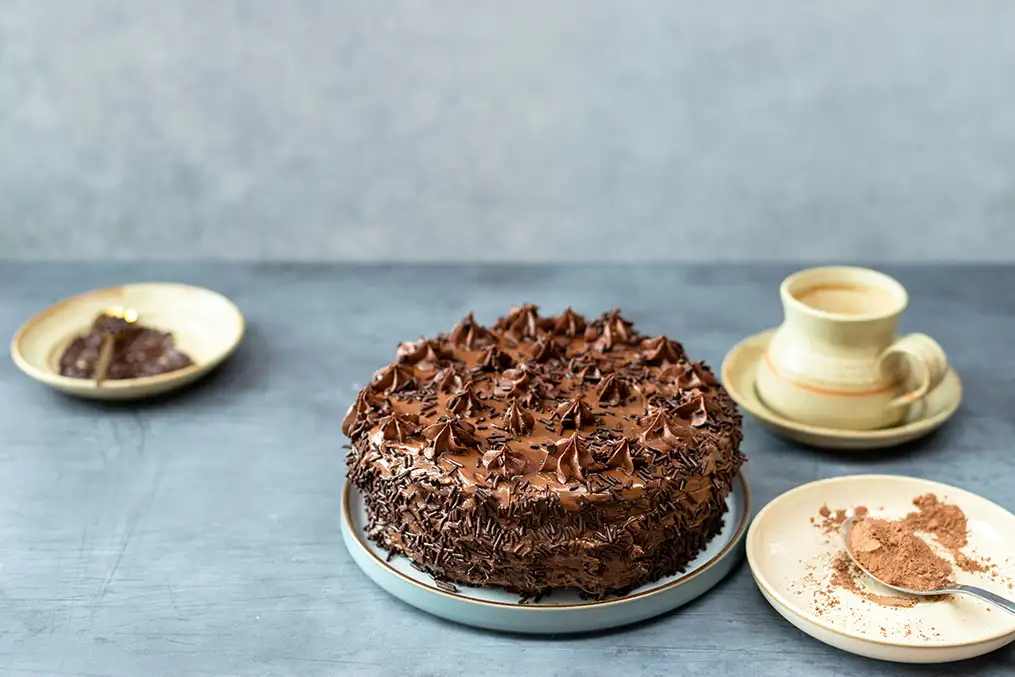
Baking a soft, tender cake without eggs or dairy may seem tricky at first, but once you understand how plant-based ingredients behave, it becomes surprisingly simple. The key lies in moisture retention, proper binding, and balancing fats with liquids. This guide walks you through practical, reliable hacks that elevate vegan cakes from dry and dense to irresistibly moist and fluffy.
Why Vegan Cakes Sometimes Turn Dry
Before diving into solutions, it helps to understand the problem. Traditional cakes rely on eggs and butter for:
- Structure and binding
- Moisture retention
- Richness and flavor
In vegan baking, replacing these functions requires thoughtful ingredient combinations. Without proper substitutes, cakes can turn crumbly or dry.
Smart Egg Replacements That Lock in Moisture
Choosing the right egg substitute is crucial for texture and softness.
Best options for moist cakes:
- Flaxseed or chia eggs
- Mix 1 tablespoon seeds with 3 tablespoons water
- Adds structure and slight chewiness
- Mashed bananas
- Naturally sweet and rich in moisture
- Ideal for dense cakes like banana bread
- Applesauce
- Keeps cakes soft without altering flavor too much
- Great for vanilla or spice cakes
- Plant-based yogurt
- Adds creaminess and tenderness
- Works especially well in chocolate cakes
Choose the Right Plant-Based Fats
Fat is essential for a moist crumb. The type you use can change the final texture dramatically.
Top choices:
- Neutral oils (sunflower, canola)
- Provide consistent moisture
- Keep cakes light and fluffy
- Coconut oil
- Adds richness but can solidify quickly
- Best used melted and combined well
- Vegan butter
- Adds flavor but slightly less moisture than oil
- Combine with oil for best results
Don’t Skip the Acid–Base Reaction
A soft cake needs proper leavening. Without eggs, this becomes even more important.
Use this powerful combo:
- Baking soda + acidic ingredient
- Vinegar
- Lemon juice
- Apple cider vinegar
This reaction creates air bubbles, helping the cake rise and stay light.
Tip: You won’t taste the vinegar—it evaporates during baking.
Add Moisture Boosters
Certain ingredients naturally hold water and prevent dryness.
Try adding:
- Brown sugar or coconut sugar
- Retains more moisture than white sugar
- Molasses or maple syrup
- Adds depth and softness
- Date paste
- A natural sweetener with excellent moisture content
- Plant milk (almond, oat, soy)
- Adjust consistency of batter
Master the Batter Consistency
One of the most overlooked hacks is simply getting the batter right.
- A slightly runny batter usually leads to a softer cake
- Thick batter often results in dense texture
- Avoid overmixing—this develops gluten and makes cakes tough
Golden rule: Mix until just combined.
Bake at the Right Temperature
Temperature control can make or break your cake.
- Too hot: Cake dries out quickly
- Too low: Cake becomes dense and undercooked
Ideal approach:
- Bake at 160–180°C (320–350°F)
- Use the middle rack
- Avoid opening the oven frequently
Use the Right Flour Blend
Not all flours behave the same in vegan baking.
Best options:
- All-purpose flour
- Reliable and balanced
- Cake flour
- Lower protein = softer crumb
- Whole wheat flour
- Adds density; mix with lighter flour for balance
Secret Finishing Hacks for Extra Moisture
Even after baking, you can enhance moisture:
- Brush with sugar syrup
- Wrap cake while slightly warm to trap steam
- Store in an airtight container
These small steps significantly improve texture the next day.
Common Mistakes to Avoid
- Using too much flour
- Skipping fat or reducing oil excessively
- Overbaking “just to be safe”
- Not measuring liquids accurately
Each of these can lead to dryness, even with good ingredients.
FAQs
1. What is the best egg substitute for fluffy vegan cakes?
Flax eggs and plant-based yogurt are excellent choices. They provide both structure and moisture, helping cakes rise well.
2. Why does my vegan cake feel dense?
This usually happens due to overmixing, too little leavening, or a thick batter.
3. Can I use water instead of plant milk?
Yes, but plant milk adds richness and improves texture. Water may result in a slightly less flavorful cake.
4. How do I keep my vegan cake moist for days?
Store it in an airtight container and consider brushing it with sugar syrup before storing.
5. Is oil better than vegan butter for cakes?
Oil generally produces softer and more moist cakes, while vegan butter adds flavor. A combination works best.
6. Why is vinegar used in vegan cakes?
It reacts with baking soda to create air bubbles, helping the cake rise and stay fluffy.
7. Can I make vegan cakes without sugar?
Yes, using alternatives like date paste or maple syrup, but texture and moisture may vary slightly.