

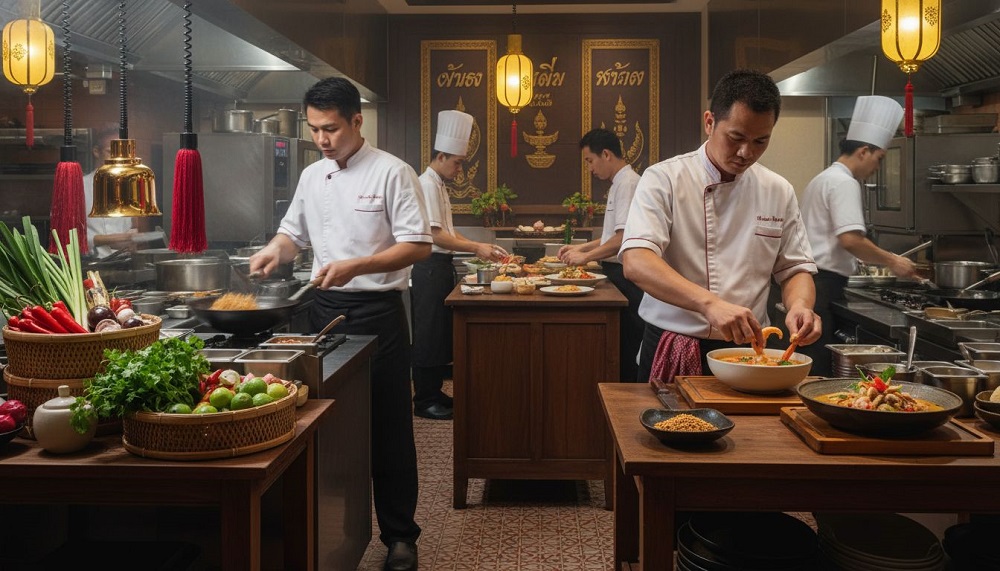
Thai food is often spoken about as one broad cuisine, but its regional differences are part of what makes it so interesting. The north has its own ingredients, techniques and flavour patterns, shaped by landscape, climate and culture. For diners who want to explore beyond familiar dishes, a northern Thai restaurant in Bangkok can offer a valuable way to experience food that feels distinctive, rooted and full of character.
Northern Thai Food Has Its Own Identity
Northern Thai cooking is different from the sweeter, coconut-rich dishes many diners associate with central Thai cuisine. It often has a deeper, earthier profile, with grilled meats, herb-heavy dips, fermented ingredients, seasonal vegetables and warming spices playing an important part.
The food is not always about heat alone. Chilli is used, but so are bitterness, smokiness, saltiness, freshness and texture. This gives many northern dishes a layered quality. A single meal might include something rich and slow-cooked, something sharp and fresh, something smoky from the grill and something simple to carry the flavours, such as sticky rice.
That variety is one of the reasons northern Thai food works so well in a restaurant setting. It encourages sharing, contrast and conversation around the table.
The Meal Is Often Built Around Balance
A good regional meal is rarely about choosing one main dish and stopping there. Northern Thai food is often best enjoyed through several dishes that complement each other. A dip may need fresh vegetables. A spicy dish may be softened by rice. A grilled item may sit alongside herbs or a lighter salad.
This balance makes the meal feel more complete. Instead of every dish competing for attention, the flavours support one another. Richness is offset by freshness, heat by texture, and savoury depth by brightness.
For diners unfamiliar with the cuisine, this is where good service can make a real difference. Staff who understand the menu can suggest combinations, explain spice levels and help guests build a meal that feels varied rather than overwhelming.
Ingredients Carry a Sense of Place
Regional cooking often tells a story through ingredients. In northern Thai cuisine, herbs, roots, vegetables, fermented elements and grilled preparations help reflect the food traditions of the region. These ingredients are not decorative extras. They are central to the way the dishes taste and feel.
Fermented ingredients can bring savoury depth. Fresh herbs can make a dish more aromatic. Grilling can add smoke and warmth. Slow cooking can create comfort and richness. Together, these techniques produce food that feels grounded and expressive.
This sense of place is important. A regional restaurant should not simply offer a few unfamiliar dish names. It should help diners understand why those dishes matter and how they fit together.

Atmosphere Shapes the Experience
The setting matters when exploring regional food. A restaurant does not need to feel overly formal, but it should create the right environment for diners to slow down and appreciate the details. Lighting, service, pacing, table spacing and the style of the room all affect how the meal is experienced.
Northern Thai food has warmth and generosity, so the best setting is often one that feels welcoming as well as considered. Diners should feel comfortable asking questions, trying something new and sharing dishes across the table.
In Bangkok, where food options are almost endless, atmosphere can help a regional restaurant stand apart. It gives the meal a clearer identity and turns dinner into more than just another booking.
Why Regional Dining Rewards Curiosity
Trying regional food requires a little curiosity, especially for diners who are used to a narrow idea of Thai cuisine. Some flavours may be familiar, while others feel new. That is part of the pleasure.
It helps to order with an open mind. Rather than choosing only the safest option, diners may enjoy asking which dishes best represent the kitchen’s style. A mix of textures and flavours will usually give a better sense of the cuisine than one dish alone.
Northern Thai cooking has depth, comfort and confidence. When prepared with care, it can show diners a different side of Thai food, one that is aromatic, textured and deeply connected to regional tradition. A thoughtful restaurant experience can make that discovery feel both accessible and memorable.