

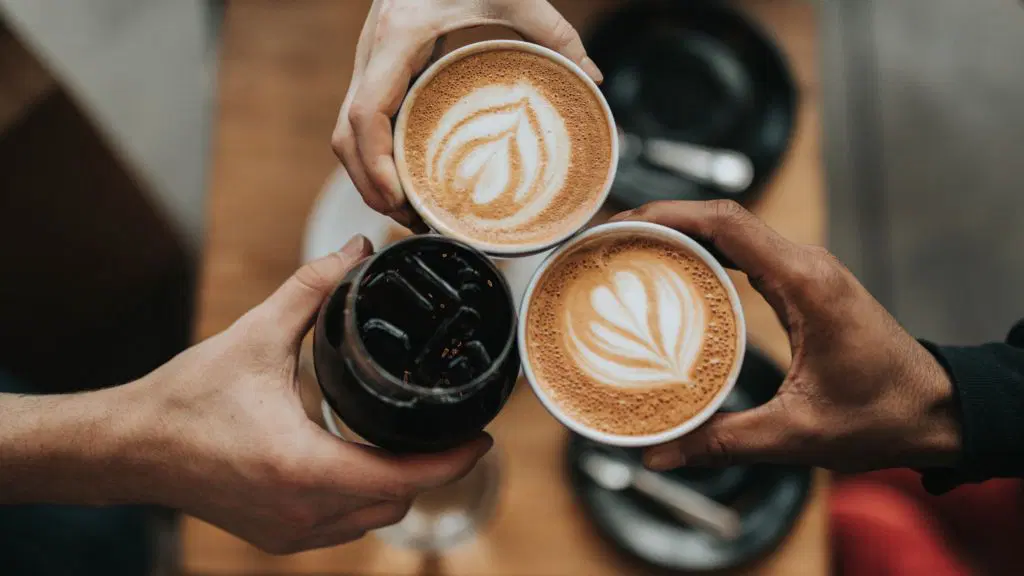
Introduction to Coffee & Drinks
Coffee is more than just a beverage—it’s a daily ritual, a cultural symbol, and for many, an essential start to the day. Alongside coffee, a wide variety of drinks—from herbal teas to modern cold brews—shape how people energize, relax, and socialize across the globe.
Understanding coffee and drink varieties not only enhances your appreciation but also helps you choose the perfect cup for your taste and mood.
What is Coffee?
Coffee is a brewed drink made from roasted coffee beans, which are the seeds of berries from the Coffea plant. The flavor of coffee depends on several factors:
- Bean type (Arabica vs Robusta)
- Roasting level (light, medium, dark)
- Brewing method
- Water quality and temperature
Key Coffee Bean Types
- Arabica
- Smooth, aromatic, slightly sweet
- Lower caffeine content
- Robusta
- Strong, bitter, earthy
- Higher caffeine content
Popular Types of Coffee Drinks
1. Espresso
- Strong and concentrated
- Base for many other drinks
- Served in small quantities
2. Cappuccino
- Equal parts espresso, steamed milk, and foam
- Rich and creamy texture
3. Latte
- More milk than cappuccino
- Smooth and mild taste
- Often topped with latte art
4. Americano
- Espresso diluted with hot water
- Similar strength to regular coffee but smoother
5. Mocha
- Coffee combined with chocolate and milk
- Sweet and dessert-like
6. Cold Brew
- Brewed with cold water over 12–24 hours
- Less acidic, naturally sweeter
Trending Cold Coffee & Refreshing Drinks
Cold beverages have gained massive popularity, especially in warmer climates.
Popular Choices
- Iced Latte – Espresso with cold milk and ice
- Frappe – Blended iced coffee with foam
- Nitro Cold Brew – Infused with nitrogen for a creamy texture
- Dalgona Coffee – Whipped coffee foam over milk
Beyond Coffee: Other Popular Drinks
Not everyone prefers coffee, and the beverage world offers countless alternatives.
Tea Varieties
- Green Tea – Light, fresh, rich in antioxidants
- Black Tea – Strong and bold
- Herbal Tea – Caffeine-free, calming
Other Beverages
- Hot Chocolate – Comforting and sweet
- Smoothies – Fruit-based, nutrient-rich
- Energy Drinks – High caffeine for quick boosts
Coffee Culture Around the World
Coffee culture varies widely across countries:
- Italy – Quick espresso at the bar
- Turkey – Thick, unfiltered coffee with rich tradition
- Ethiopia – Ceremonial coffee rituals
- France – Relaxed café lifestyle
Health Benefits of Coffee & Drinks
Benefits of Coffee
- Improves alertness and focus
- Rich in antioxidants
- May boost metabolism
Things to Watch
- Excess caffeine can cause anxiety
- Sleep disruption if consumed late
- Added sugar and cream increase calories
How to Make Better Coffee at Home
Simple Tips
- Use freshly ground beans
- Maintain proper water temperature (90–96°C)
- Experiment with brewing methods:
- French press
- Pour-over
- Espresso machine
- Store beans in an airtight container
Frequently Asked Questions (FAQs)
1. What is the difference between espresso and regular coffee?
Espresso is more concentrated and brewed under pressure, while regular coffee is brewed more slowly using drip or pour-over methods.
2. Which coffee has the most caffeine?
Robusta beans generally contain more caffeine than Arabica, and espresso shots are more concentrated per volume.
3. Is cold brew stronger than iced coffee?
Yes, cold brew is typically stronger and less acidic because of its long brewing process.
4. How much coffee is safe to drink daily?
Around 2–4 cups per day is considered safe for most healthy adults.
5. Why does coffee sometimes taste bitter?
Bitterness can result from over-extraction, dark roasting, or using too hot water.
6. Can coffee help with weight loss?
Coffee may boost metabolism slightly, but it’s not a standalone solution for weight loss.
7. What’s the best milk for coffee?
It depends on preference—whole milk for richness, almond or oat milk for plant-based options.