

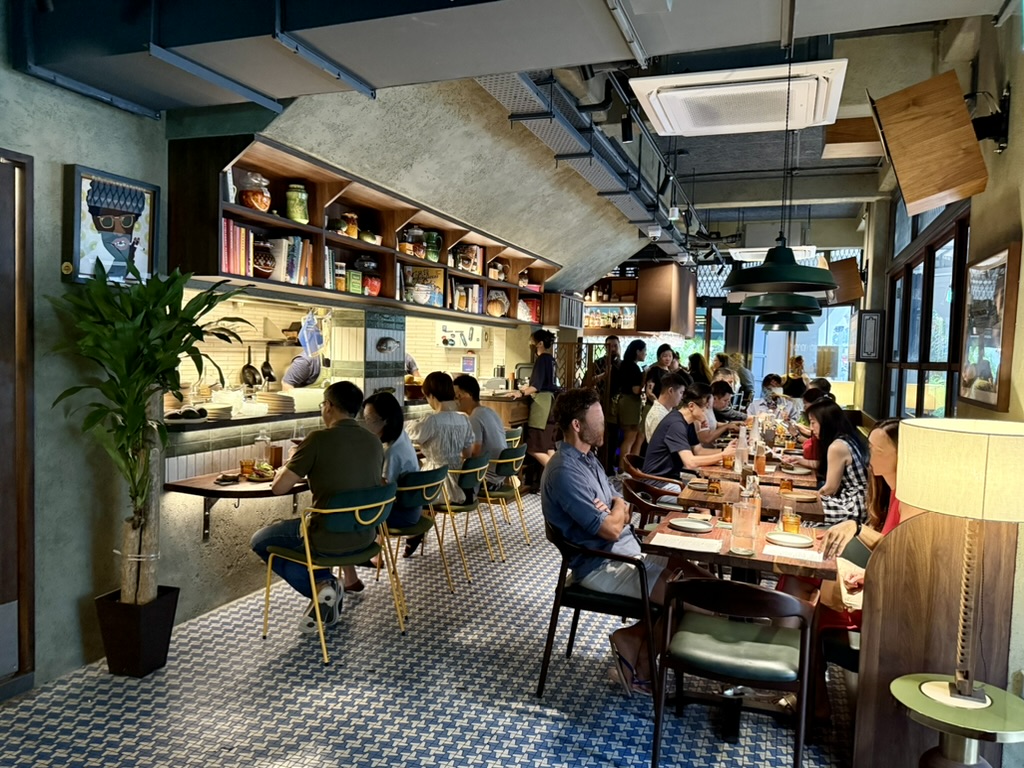
Some meals are easy to label. Others are more interesting because they move between influences, techniques and traditions without losing their sense of direction. A well-planned borderless dining menu can appeal to diners who want something more expressive than a standard cuisine category, while still expecting balance, clarity and purpose in every course.
Borderless Dining Needs Discipline
A menu that draws from different culinary traditions can be exciting, but it can also become confusing if there is no clear structure behind it. Mixing ingredients or techniques from several places is not enough on its own. The food still needs logic.
Good borderless dining works when each dish has a reason to exist. A flavour from one culture may be paired with a technique from another, but the result should feel natural rather than forced. Diners should sense creativity, not randomness.
This is where discipline matters. The kitchen needs to understand the ingredients deeply enough to combine them with confidence. Without that foundation, a borderless menu can quickly feel like a collection of ideas rather than a coherent dining experience.
The Menu Should Guide The Diner
When a restaurant moves beyond familiar categories, the menu has to do some quiet work. It should help diners understand the journey without over-explaining every detail. Dish names, descriptions, course order and service explanations all matter.
Guests may be open to trying something new, but they still want enough context to feel comfortable. A short description can make an unfamiliar ingredient feel approachable. A clear course structure can help people understand how the meal will unfold. Staff can add depth by explaining the thinking behind a dish without making the experience feel like a lecture.
The best menus invite curiosity. They encourage diners to trust the kitchen while still giving them a sense of what they are about to enjoy.
Flavour Comes Before Cleverness
Creative dining should never lose sight of pleasure. However inventive a dish may be, it still needs to taste good. Texture, seasoning, temperature, aroma and balance are what make a plate memorable once the idea behind it has been understood.
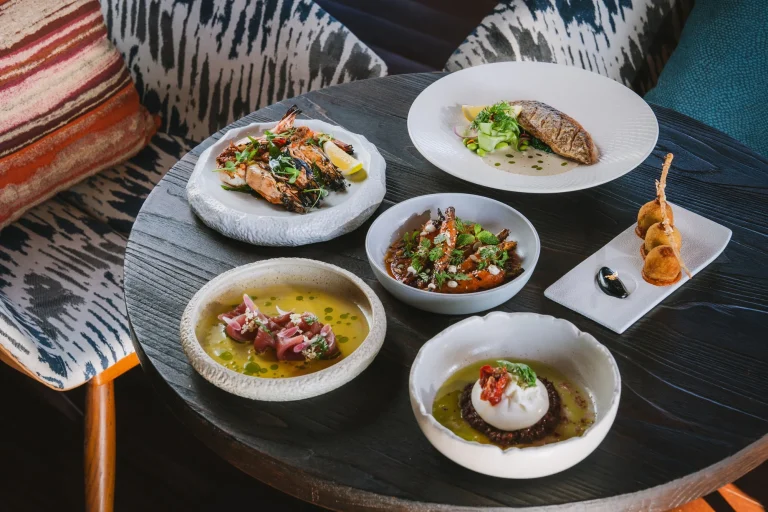
A borderless approach can create surprising combinations, but those combinations need to work on the palate. A bold sauce should support the main ingredient, not overpower it. A delicate element should not disappear beside something heavier. Sweetness, acidity, richness and heat need to be handled with care.
Diners may appreciate technical skill, but they remember how the food made them feel. Cleverness is strongest when it serves flavour.
The Experience Should Feel Like A Journey
A menu with borderless influences can work especially well in a multi-course format because it gives the kitchen room to build momentum. The meal can begin gently, become more expressive, introduce contrast and finish with something that leaves a clear final impression.
Course order matters here. If every dish is intense, the meal can become tiring. If the menu has no progression, it may feel flat. A good dining journey uses rhythm, giving guests moments of surprise, comfort, freshness and richness at the right points.
This kind of pacing helps diners stay engaged. They are not simply eating separate dishes. They are moving through an experience that has been designed from start to finish.
A Modern Menu Can Still Feel Rooted
Borderless dining does not mean ignoring origin or tradition. In many cases, the most interesting menus respect their influences by understanding them properly. A dish may not belong to one cuisine in a strict sense, but it can still show care for ingredients, technique and cultural context.
For diners, this creates a more open way of eating. They can enjoy familiar notes in unfamiliar forms, or discover new combinations that feel thoughtful rather than decorative.
A strong borderless menu gives the restaurant freedom, but it also gives guests a reason to pay attention. When creativity is matched with discipline, the meal becomes more than a fusion of styles. It becomes a confident expression of how food can move across boundaries while still feeling complete.